

Quick Answer: How to Fix PoE 2 Stuttering and Lagging Post-Patch?
If you are dealing with constant stuttering, freezes, and crashes after the 0.5 patch, you are definitely not alone. A quick scroll through Reddit reveals hundreds of players, even those rocking high-end rigs with NVIDIA RTX 5070 Ti and Ryzen 9050X3D chips, facing severe micro-stuttering, unexpected server disconnections, and total system lockups. While community threads point to broken shader caches and network routing failures caused by local ISPs, manual fixes can be incredibly tedious and unreliable. The fastest, most reliable way to eliminate these performance drops instantly is to use a dedicated game booster like LagoFast, which resolves network bottlenecks and optimizes system assets with a single click.
Grinding through the dark continent of Pywel requires split-second reactions, but nothing kills a hardcore run faster than a sudden screen freeze. Since the recent major game updates, thousands of players have found themselves battling erratic frame rates alongside deadly bosses. If you are struggling with a game that feels more like a slideshow, this comprehensive optimization guide will help you understand why these performance drops happen and exactly how to stop stuttering in Path of Exile 2 for good.

- ✅ Reduce Lag and High Ping.
- ✅ Boost FPS at the Same Time.
- ✅ Support 8000+ Popular Online Games.
- ✅ End Stuck & Crashing Issues.
- ✅ Fix Server Queue Issue.
Part 1: Path of Exile 2 Stuttering Overview
Part 2: Fix Path of Exile 2 Stuttering: Full Manual Solutions
Part 3: Why Do Manual Fixes for PoE 2 Stuttering Not Always Work?
Part 4: Ultimate Fix for Path of Exile 2 Stuttering—LagoFast
Part 5: Path of Exile 2 System Requirements
Part 1: Path of Exile 2 Stuttering Overview
When your game engine hitches, it is rarely an isolated issue. In Path of Exile 2, performance drops and latency issues share a direct call relationship: when your network packets drop (lag), the engine struggles to synchronize actions, resulting in severe micro-stuttering and asset loading delays.
The table below breaks down the most common performance symptoms plaguing players, their root causes, and the standard manual recommendations to alleviate them:
|
Symptom |
Primary Root Cause |
Recommended Manual Fix |
|
Micro-Stuttering & Jagged Frametimes |
Shader cache compilation bottlenecks or background driver conflicts. |
Increase global shader cache size and purge old driver cache folders. |
|
Severe FPS Drops during Breaches/Abyss |
Intensive particle effects overloading local GPU rendering pipelines. |
Lower in-game visual settings and optimize Windows graphics preferences. |
|
Screen Freezes (Recovering after 30s) |
Graphical processing unit (GPU) driver timeout recovery (TDR) faults. |
Switch graphics API renderers or perform a clean GPU driver reinstall. |
|
Unexpected Server Disconnections |
Bad internet service provider (ISP) routing to global game servers. |
Utilize a dedicated gaming booster like LagoFast. |
|
Random Crashes to Desktop |
Corrupted patch installation files or memory leak exceptions. |
Verify the integrity of game files via Steam or official launcher. |
Part 2: Fix Path of Exile 2 Stuttering: Full Manual Solutions
If you want to manually optimize your computer to handle the heavy technical demands of Path of Exile 2, try these step-by-step solutions compiled from successful community workarounds.
Solution 1: Optimize NVIDIA/AMD Shader Cache & Windows Graphics Preference
The game relies heavily on building a local cache of visual assets. If this cache is too small or restricted by Windows power-saving features, you will experience terrible stuttering every time a new monster or spell effect appears on screen.
Step 1: Right-click your desktop and open the NVIDIA Control Panel (or AMD Software equivalent).
Step 2: Navigate to Manage 3D Settings under the Global Settings tab.
Step 3: Scroll down to find Shader Cache Size and change the dropdown menu from default to 100GB. Click Apply.
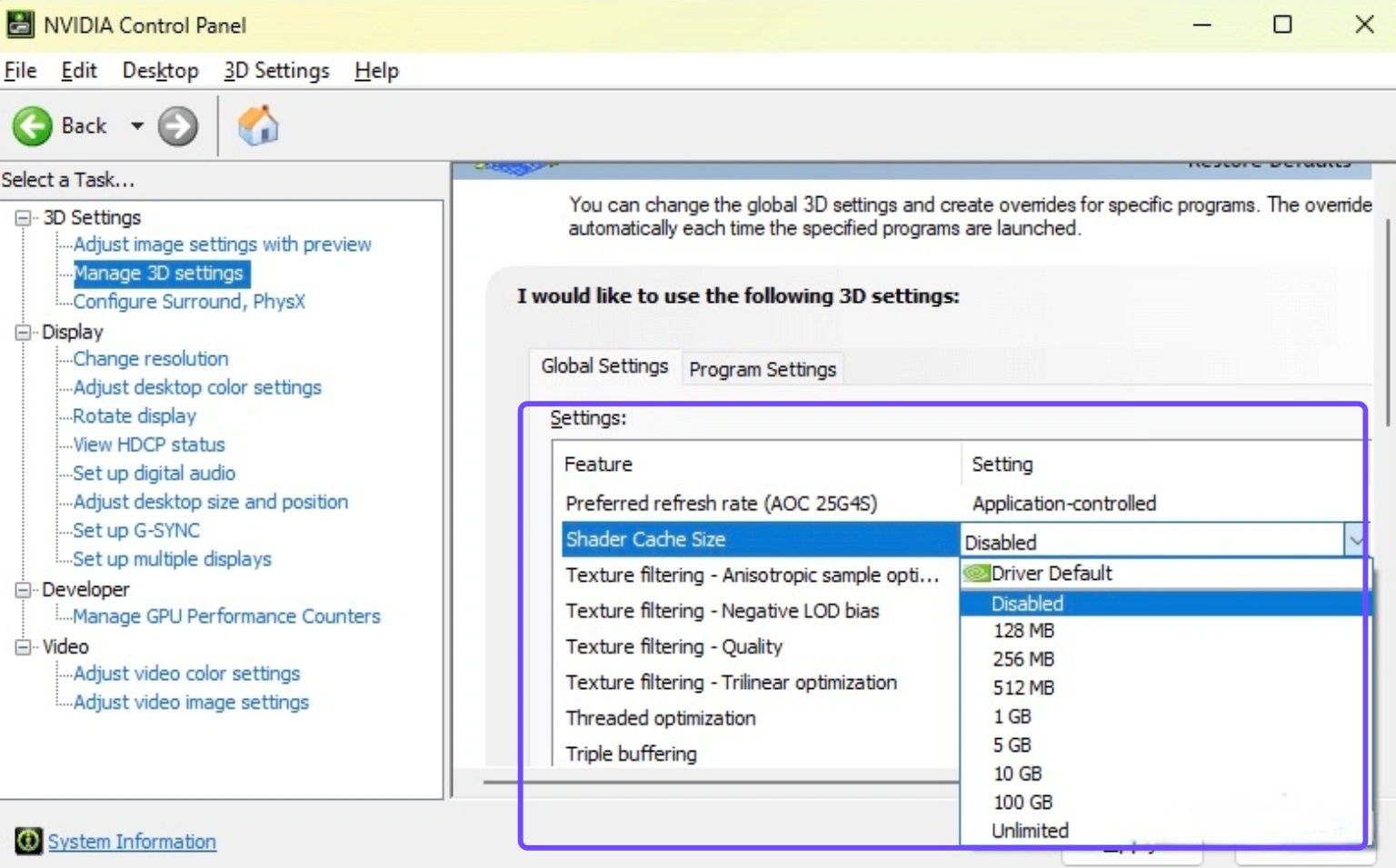
Step 4: Open your Windows Start Menu, type Graphics Settings, and click open. Under the "Graphics performance preference" section, ensure the dropdown is set to Desktop app.
Step 5: Click Browse, navigate to your installation folder, and add both PathOfExile.exe and PathOfExile_x64.exe. Once added, click on them, select Options, choose High Performance (ensuring your dedicated GPU is selected), and save.
Solution 2: Purge DirectX, GPU, and Local Game Shader Caches
Corrupted shader files from previous leagues or older game patches frequently cause the engine to loop infinitely, resulting in massive FPS drops and sudden game crashes.
Step 1: Press the Windows Key + R to open the Run dialog box. Type cleanmgr and press Enter to open Disk Cleanup.
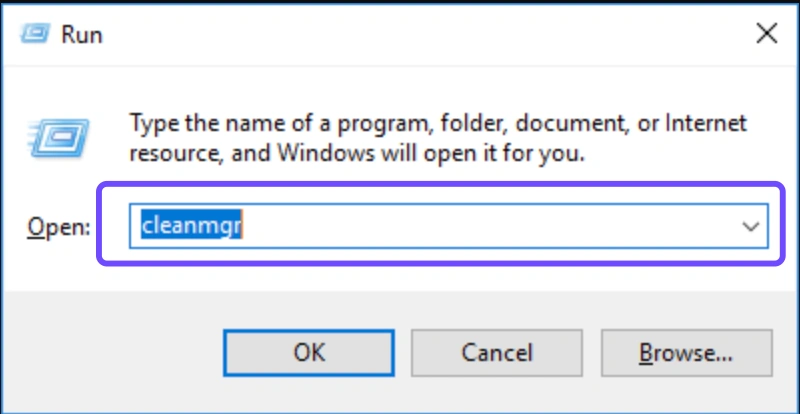
Step 2: Select your main operating system drive (usually C:), uncheck all options except DirectX Shader Cache, and click OK to wipe it clean.
Step 3: Open the Run dialog again, type %appdata% and hit Enter. Navigate to \Roaming\Path of Exile 2\ and completely delete the folders named ShaderCacheD3D12 or ShaderCacheVulkan.
Step 4: Navigate to your local AppData folder by typing %localappdata% in the Run box. Go to the NVIDIA or AMD folder depending on your hardware brand.
Step 5: Locate the folder named GLCache (which handles Vulkan shaders) and DXCache (DirectX shaders). Open these folders, press CTRL + A to highlight everything, and delete the contents. Note: If a file says it is in use, skip it.
Solution 3: Reroute the Game's Internal Cache Directory to a Secondary SSD
If your primary drive is handling both Windows system processes and the game's streaming asset pipeline, relocating the cache storage pathway can immediately eliminate micro-stuttering.
Step 1: Open your File Explorer and go to your fastest secondary solid-state drive (e.g., D: or E: drive).
Step 2: Create a brand new folder right in the root directory and title it exactly shaderpoe2.
Step 3: Navigate to your user profile documents directory: C:\Users\YOUR_USERNAME\Documents\My Games\Path of Exile 2\.
Step 4: Right-click on the configuration file named production_config.ini and open it using Notepad.
Step 5: Scroll down until you find the category heading marked [GENERAL]. Directly beneath it, paste a new line of code: cache_directory=D:\shaderpoe2\ (make sure to match your specific drive letter). Save the document and close it.
Solution 4: Switch Graphics Rendering Engines and Reinstall via Official Launcher
Different hardware configurations react uniquely to the game’s core rendering codes. Swapping the backend graphics framework can bypass known hardware bugs.
Step 1: Launch the game and enter the main character selection menu screen.
Step 2: Open the Graphics Settings menu panel.
Step 3: Find the Renderer option and switch it from DirectX 12 over to Vulkan (or vice versa if you are currently on Vulkan). Apply changes and restart the client.
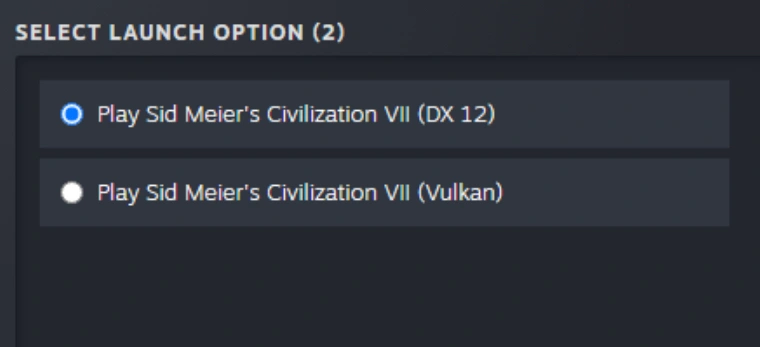
Step 4: If performance problems persist, uninstall the game completely from Steam.
Step 5: Go to the official website, download the standalone standalone launcher client, and install the game files onto a clean directory directly on your fastest SSD.
Part 3: Why Do Manual Fixes for PoE 2 Stuttering Not Always Work?
While cleaning folders and adjusting system preferences sounds great on paper, these manual fixes fail to deliver consistent results for several key reasons:
- ISP Network Instability: A massive percentage of what players perceive as "engine stuttering" is actually structural network lag. When your ISP drops packets or misroutes connection data to the login servers, the game experiences micro-freezes while trying to resync your character position. No amount of graphic setting adjustments can repair a bad network path.
- Game Engine Optimization Issues: Major patches like the 0.5 update introduce core structural code changes. When developer deployment scripts clash with specific driver configurations, local configuration adjustments cannot override underlying engine incompatibilities.
- Constant Update Overwrites: Every time the developers push out a hotfix or micro-patch, your customized game data files and local shader caches are frequently overwritten or reset back to system defaults, forcing you to redo tedious troubleshooting steps over and over.
Part 4: Ultimate Fix for Path of Exile 2 Stuttering—LagoFast
When system cleaning and menu adjustments fall short, you need a smart tool designed specifically to tackle gaming performance from both sides: the network connection and your PC's hardware limits. LagoFast Game Booster is an all-in-one game optimization software built to bypass flawed ISP routing and maximize system resource allocation, ensuring a smooth gaming experience without requiring technical expertise.
LagoFast automatically prioritizes your operating system's gaming traffic while closing background resource hogs, effectively providing an all-encompassing solution to patch-induced engine hitches.
Key Performance Features:
- Smart Multi-Path Technology: Dynamically searches and connects to the fastest global server routes, bypassing regional ISP network congestion to stabilize connection quality.
- High Ping Reducer: Significantly lowers in-game latency and removes sudden packet loss spikes that trigger jarring engine rubber-banding and micro-freezes.
- One-Click FPS Boost: Adjusts hidden system settings, allocates maximum CPU/GPU power directly to the game client, and stops stuttering instantly by terminating intrusive background processes.
- Server Lag Fixer: Allows you to connect directly to optimized game nodes, completely preventing unexpected server disconnections during high-intensity end-game mapping.
Tutorial to Optimize Your PoE 2 Gaming Experience with LagoFast:
Step 1: Click the Free Trial button to download and install LagoFast.
Step 2: Open LagoFast, then click the PC button on the left, search for Path of Exile 2 in the search bar, and click it after it appears.
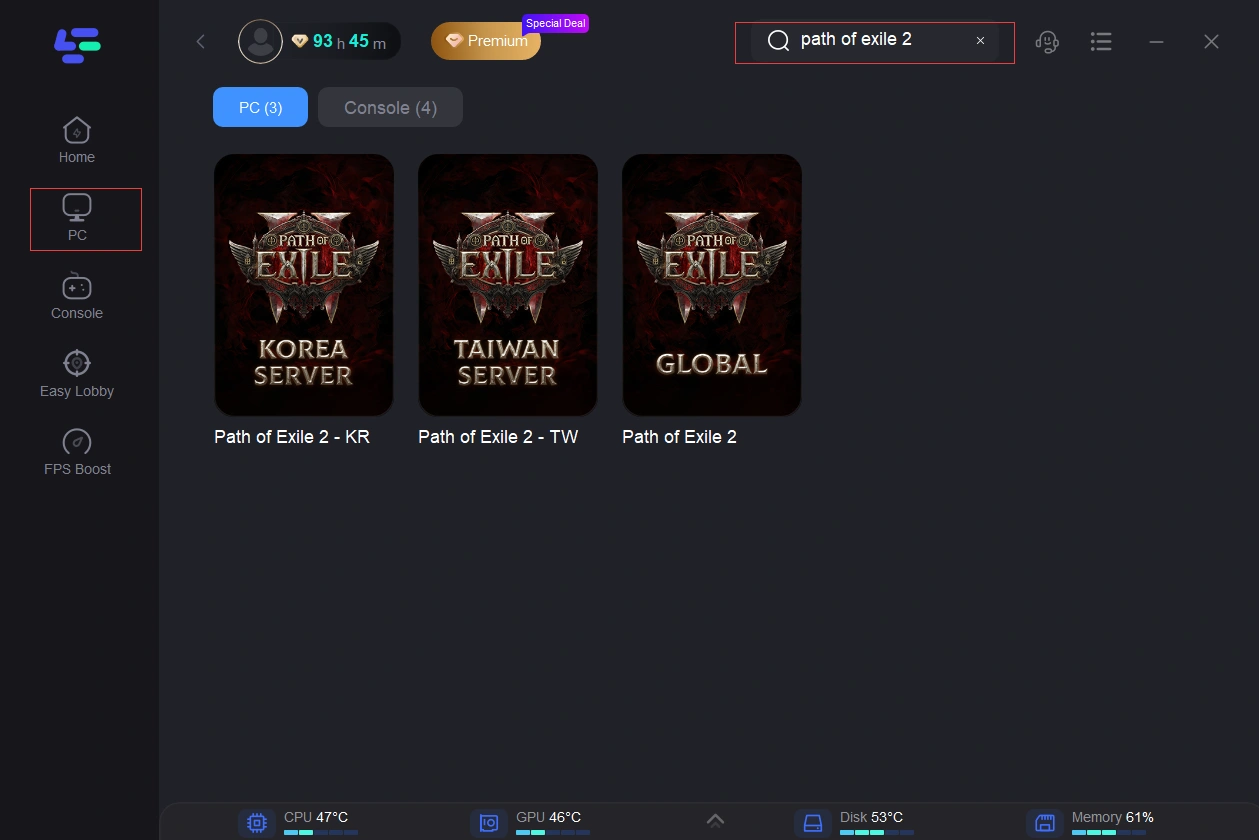
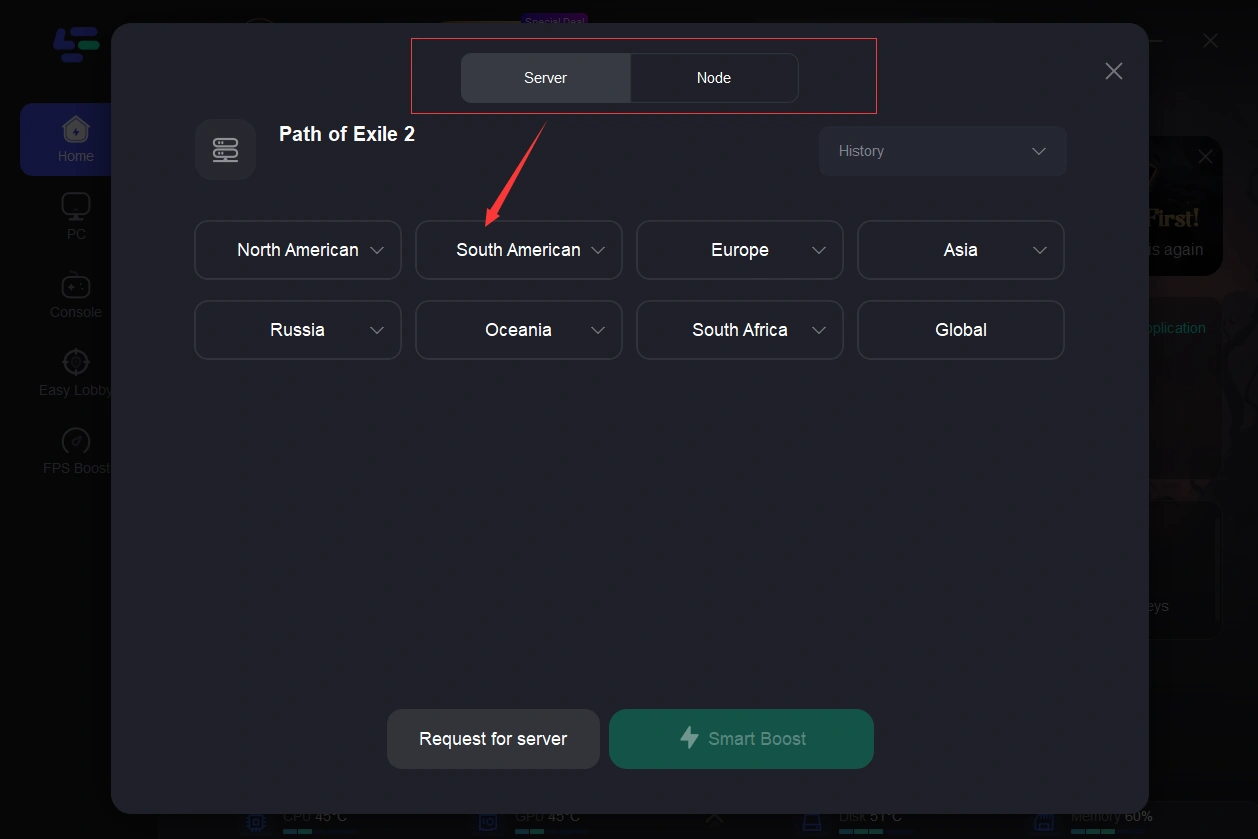
Step 3: Click on “Server” to change to a better server that provides a smooth gaming experience, then click on “Smart Boost” to fix Path of Exile 2 stuttering issues.
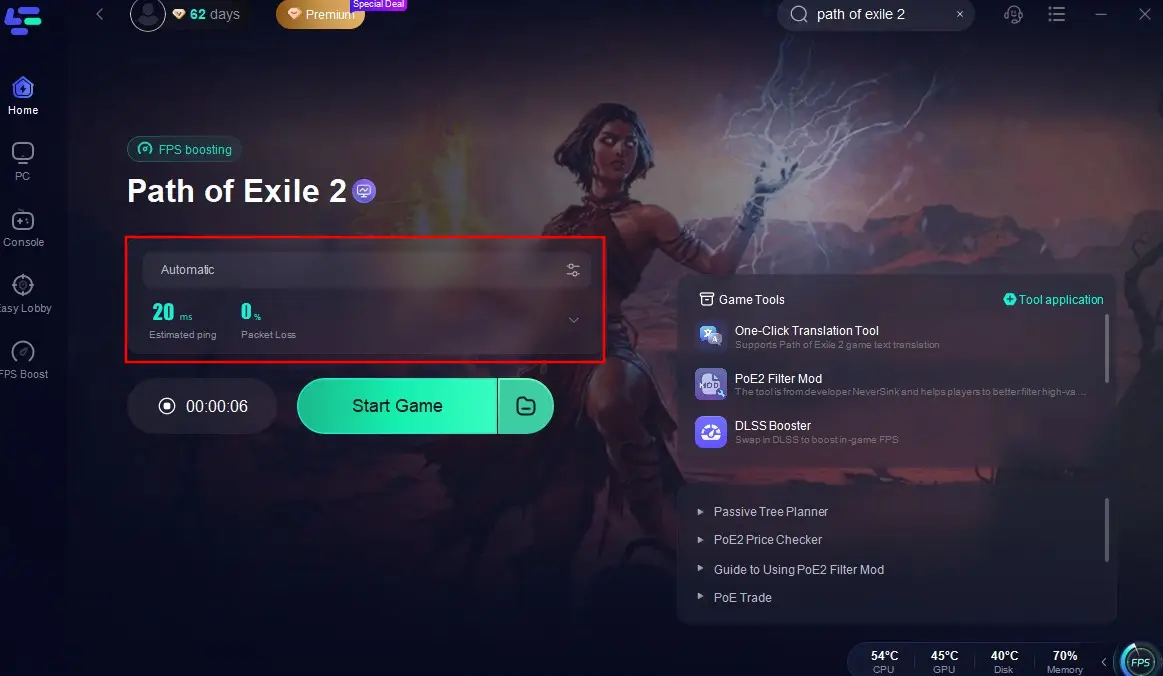
Step 4: Check the specific game ping, packet loss, and multiple path connections on the right side. Finally, click “Start Game” to play the game.
Part 5: Path of Exile 2 System Requirements
Before troubleshooting software settings, check the hardware specifications below to confirm your system meets the official thresholds required to run the game smoothly.
|
Resource Component |
Minimum Requirements |
Recommended Specifications |
|
Operating System |
Windows 10 64-bit |
Windows 10 64-bit / Windows 11 64-bit |
|
Processor (CPU) |
Intel Core i5-2500K / AMD FX-6300 |
Intel Core i7-7700K / AMD Ryzen 5 2600X |
|
Memory (RAM) |
8 GB RAM |
16 GB RAM |
|
Graphics Card (GPU) |
NVIDIA GeForce GTX 960 / AMD Radeon R9 280 |
NVIDIA GeForce GTX 1080 Ti / AMD Radeon RX 5700 XT |
|
DirectX Version |
Version 11 / Version 12 |
Version 12 |
|
Storage (SSD) |
100 GB available space (HDD supported) |
100 GB available space (Solid State Drive Required) |
Part 6: FAQs
Why did Path of Exile 2 start stuttering so badly after the 0.5 patch?
Major game updates modify how the engine streams assets and compiles graphics data in real-time. Patch 0.5 introduced specific changes that interact poorly with certain GPU driver versions and local network protocols, causing sudden frametime spikes and game freezes even on high-end desktop setups.
Does changing from DirectX 12 to Vulkan really fix the stuttering problems?
For many players, yes. The Vulkan renderer handles asset streaming differently than DirectX 12, especially on older graphics hardware. However, if your stuttering is tied to network latency or packet drops, shifting graphic APIs will not solve the underlying performance issues.
How do I know if my issue is network lag or hardware frame drops?
Look closely at your in-game performance graphs (press F1). If the "Ping" bar spikes upward when your screen hitches, your issue is network lag. If the "Frame" or "Shader" lines jump while your ping remains flat, your computer is suffering from hardware performance drops.
Is an SSD absolutely required to play Path of Exile 2 without freezing?
While the game can theoretically boot from a traditional hard disk drive (HDD), an SSD is highly recommended. The engine constantly streams massive amounts of data for items, abilities, and monsters. Running the game on an HDD will cause major loading delays and severe FPS drops.
Will lowering my in-game graphics settings fix my game crashing problems?
Lowering visual settings reduces the load on your graphics card, which can help stabilize your frame rates during chaotic battles. However, it will not prevent crashes caused by corrupted game files, memory leaks, or network disconnects.
Why does my game keep disconnecting to the login screen after a bad freeze?
This happens because severe engine-level stutters can stall your game client long enough to break communication with the server. When the server detects that your client has stopped responding during a severe freeze, it automatically disconnects you for safety.
Conclusion
Dealing with sudden performance issues right after a major patch launch can be incredibly frustrating. While manual troubleshooting steps like clearing out outdated shader caches can help reduce micro-stuttering, they rarely offer a permanent fix for underlying network and engine bugs. For an effortless, all-in-one solution that addresses both hardware frame drops and network latency issues simultaneously, download LagoFast and jump back into the action with perfectly smooth, stutter-free gameplay.
Boost Your Game with LagoFast for Epic Speed
Play harder, faster. LagoFast game booster eliminates stutter and lags on PC, mobile, or Mac—win every match!
Quickly Reduce Game Lag and Ping!
Boost FPS for Smoother Gameplay!